
 Yesim Team
The weirdest foods in the world usually come with a place, a history and a reason. Fermented shark in Iceland, a whole lamb roasted on a stake in Patagonia and cheese full of live maggots in Sardinia each began as a way to survive, celebrate or make a harvest last. This guide covers nine strange foods from around the world that are worth a trip, plus where to try them.
Most firsthand details come from episode 3 of the Yesim Travelcast, hosted by travel writer Damien Gabet. Where he describes his own experience or a price, the text says so. Prices change, so confirm them before you go.
What are the weirdest foods in the world worth traveling for?
Nine foods stand out. Four get a full section below, and five get a short profile. The table shows where each one comes from:
| Food | Country | What makes it strange |
|---|---|---|
| Hákarl (fermented shark) | Iceland | Greenland shark that is fermented, then dried for months |
| Cordero al palo | Chilean Patagonia | A whole lamb roasted on a stake over an open fire |
| Casu marzu | Sardinia, Italy | Sheep’s milk cheese eaten with live maggots |
| Su filindeu | Sardinia, Italy | Pasta stretched by hand into 256 threads |
| Fugu | Japan | Poisonous pufferfish served in licensed restaurants |
| Balut | Philippines | Fertilized duck egg with a partly developed embryo |
| Sannakji | South Korea | Chopped octopus served with wriggling tentacles |
| Escamoles | Mexico | Ant larvae harvested from agave roots |
| Kiviak | Greenland | Small seabirds fermented inside a sealskin |
Weird foods around the world share one trait. Each makes sense once you know the place it comes from.
What is hákarl, and is fermented shark safe to eat?
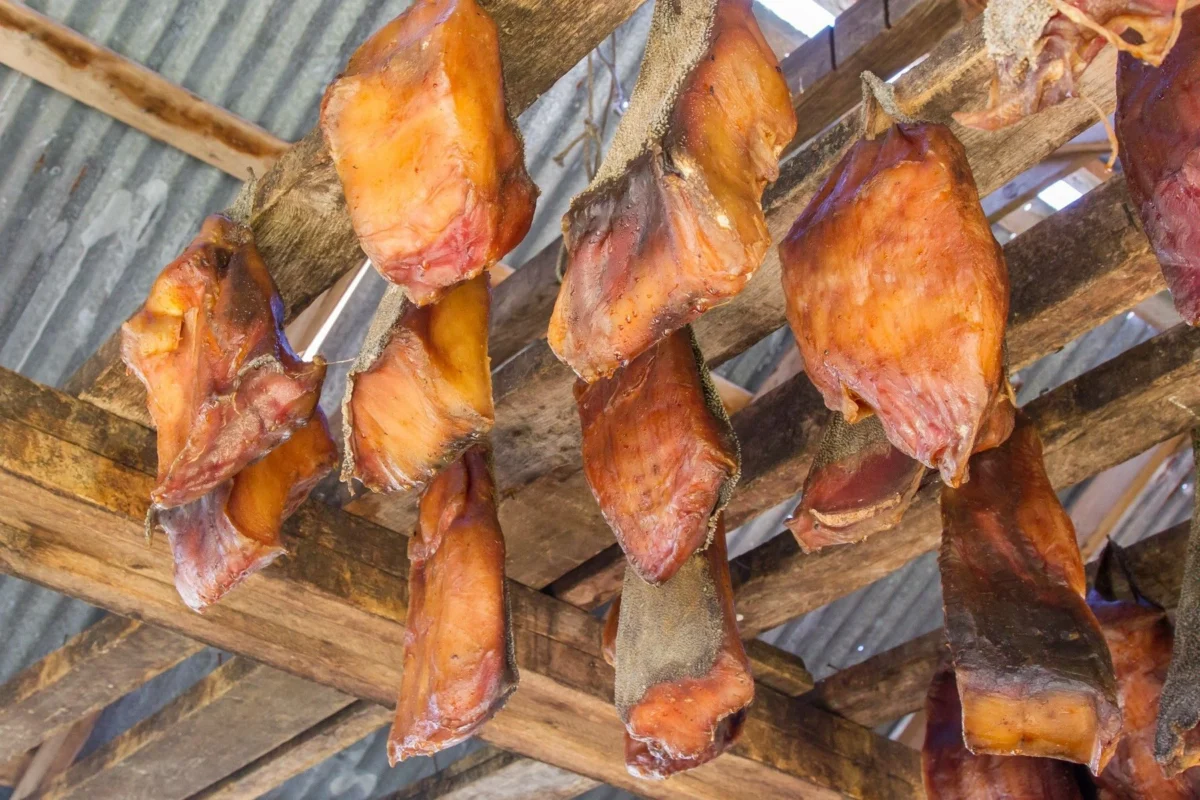
Hákarl (also spelled hakarl) is fermented Greenland shark, and it is Iceland’s best-known strange food. Fresh Greenland shark meat holds large amounts of urea and TMAO, chemicals that help the animal survive in freezing Arctic water. Eaten untreated, the meat can make you ill, with symptoms often compared to extreme drunkenness. You may have heard the shark is poisonous because it has no kidneys. That story is wrong.
Icelanders found a way to eat it anyway. Traditionally the shark was buried and pressed under stones so the fluids could drain. Today the meat is generally fermented for weeks, then hung outside to dry for several more months. The finished product is considered safe to eat. The smell is the hard part, and it is best described as ammonia and cleaning products.
The place to try it is Bjarnarhöfn, a farm on the Snæfellsnes Peninsula in western Iceland. One family has processed Greenland shark there for generations. The farm has a small museum of old boats and fishing gear, drying sheds with shark hanging outside, and a tasting.
Damien Gabet tried it at Bjarnarhöfn and says it tasted like cheese that had gone slightly bad, with the smell worse than the flavor. Anthony Bourdain called hákarl one of the worst things he had eaten. Locals often pair it with Brennivín, Iceland’s strong schnapps.
Hákarl is a genuine tradition, not a tourist prank. It belongs to Þorrablót, the midwinter feast in the old Icelandic period of Þorri, where it appears beside smoked lamb and other traditional dishes.
From Bjarnarhöfn, keep going north-west into the Westfjords. Gabet recommends Drangsnes, a tiny fishing village on Steingrímsfjörður with three geothermal hot tubs on the shoreline. He says there is no spa and no booking, and with luck you will see a whale pass while you soak.
Yesim tip: save offline maps before you leave the capital. Signal can drop on quiet roads in the Westfjords, and a saved map still works.
What is cordero al palo, and where can you eat it in Patagonia?
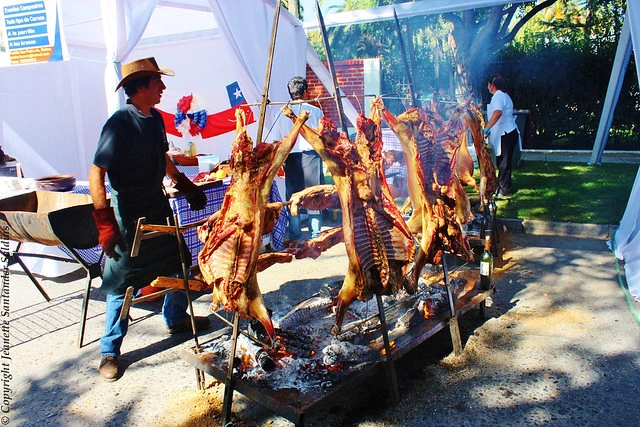
Cordero al palo means lamb on the stake. It is a traditional way to cook lamb in Chilean Patagonia, around Puerto Natales and Torres del Paine. The method is simple: a whole animal, a big fire and several hours.
The lamb is split open and stretched across a metal frame that leans toward the heat. It cooks slowly while the fat renders, the skin tightens and bronzes, and smoke works into the meat.
Lamb matters here because of history. Sheep reached Patagonia in serious numbers in the late 19th century, when a few hundred were brought over from the Falkland Islands. The grassland and cool climate suited them, and within a couple of decades there were around a million. British shepherds and farming methods helped build the large estancias that still dot the region. The expansion also brought big land concessions and the displacement of Indigenous communities across Patagonia and Tierra del Fuego.
Damien Gabet ate cordero al palo after a long day of hiking and counts it among the best things he has eaten, though he admits the setting helped. The meat is salty, smoky and charred at the edges, and fatty underneath.
The place to try it is Estancia La Peninsula, reached by boat from just outside Puerto Natales. You can ride with the gauchos, then return to a whole cordero al palo roasting over the fire. Stay for dinner instead of racing back to town after the photos.
Yesim tip: boat trips and estancias sit outside town, so download offline maps and a translation language pack before you go. Message the estancia ahead to confirm the meal.
What is casu marzu, and is it legal?

Casu marzu starts as pecorino sardo, Sardinia’s sheep’s milk cheese. Cheese flies then lay eggs inside the wheel on purpose. The larvae hatch and digest the fats and proteins as the cheese ripens. Gabet calls the result probably the most disgusting food on earth.
The center turns extremely soft, sometimes almost liquid. Sardinians call this liquid lagrima, meaning tears. The cheese is traditionally eaten with the maggots still alive, because dead larvae can mean the cheese has spoiled.
The larvae can jump several centimeters when disturbed, so experienced eaters often shield the cheese with a hand while they bite. It usually comes with pane carasau, a thin, crisp Sardinian flatbread, and a glass of Cannonau, the island’s strong red wine.
The legal position is murky. Commercial production and sale fall short of food safety rules on food contaminated by parasites, so you will not find it on a supermarket shelf. Italy still recognizes it as a traditional Sardinian food, and people have tried to find safer ways to keep the tradition alive. It survives in rural Sardinia, among shepherds and families who have made it for generations.
Sa Mandra, an agriturismo just outside Alghero, is one place to start. You cannot order it from the menu, yet it is still eaten there as part of rural Sardinian food culture. The Travelcast says National Geographic managed to try a wheel there. Do not march in demanding illegal maggot cheese. Stay for dinner, ask politely and see where the conversation goes.
Because the cheese sits outside food safety rules, nobody can promise it is safe. Ask your hosts about it, and skip it if you have any health concern.

What is balut?
Balut is a fertilized duck egg with a partly developed embryo inside. In the Philippines it is normal street food.
Read also: Best SIM card for the Philippines, for street food trips.
What is su filindeu, the rarest pasta in the world?
Su filindeu means threads of God. It is described as the rarest pasta in the world, and it has only three ingredients: semolina, water and salt.
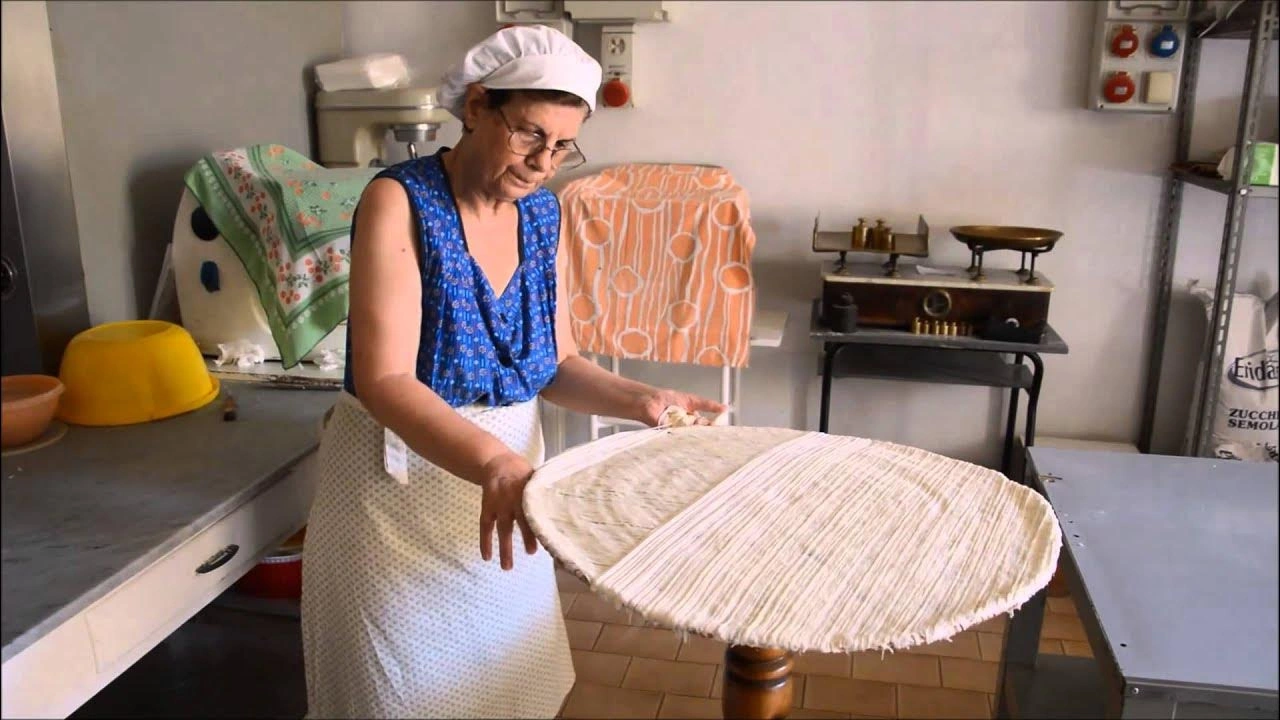
The hard part is the technique. The dough is stretched and folded back on itself eight times, turning one strand into two, then four, eight and sixteen, until you hold 256 fine threads. The dough must stay elastic enough to stretch without snapping, yet dry enough that the strands do not stick together again.
The threads are laid across a circular frame in three overlapping layers and dried into a sheet that looks more like fabric than pasta. For generations the skill survived among a small number of women around Nuoro, and outsiders found it very hard to learn.
The dish has a religious role, too. Twice a year, pilgrims walk through the night from Nuoro to the Sanctuary of San Francesco near Lula, about 30 kilometers away. At the end they receive bowls of su filindeu in rich mutton broth with pecorino.
You do not need to walk 30 kilometers to taste it. Il Rifugio in Nuoro is an unfussy trattoria that has served su filindeu for decades, in sheep broth with pecorino. Gabet reports that a bowl cost 16 euros when he last checked. Prices change, so confirm it before you go.
Yesim tip: signal can be patchy in rural areas, so download offline maps for the Nuoro and Alghero areas. Message your agriturismo or trattoria ahead to confirm what they are serving.
What is kiviak?
Kiviak is made from small seabirds packed inside a sealskin and fermented for months in Greenland.
What is fugu?
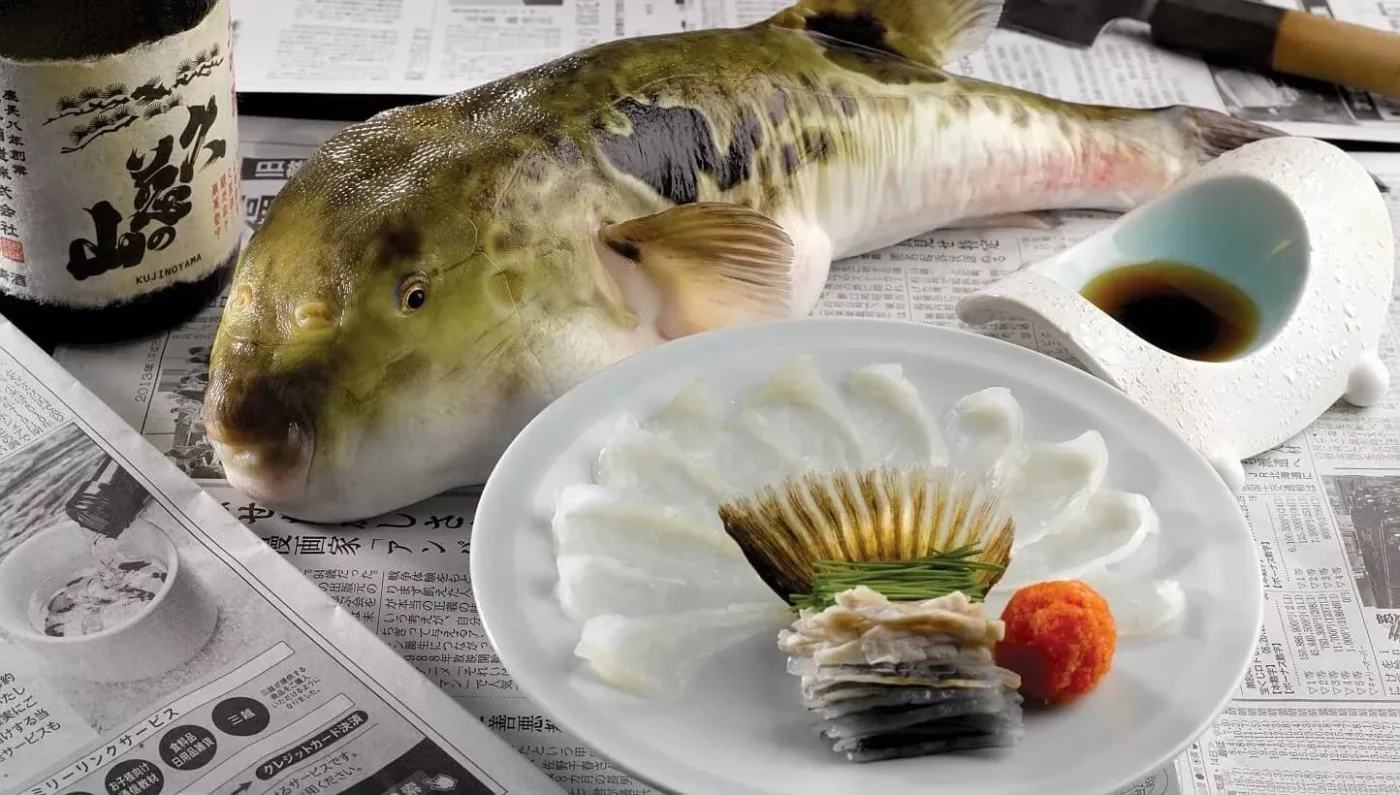
Fugu is the famously poisonous pufferfish, also called blowfish and often served as thin sashimi in Japan. It is far less dangerous in a licensed restaurant than its reputation suggests.
Read also: Best places to visit in Japan, to plan the route around a fugu dinner.
What are escamoles?
Escamoles are ant larvae harvested from agave roots in Mexico, often called ant eggs and considered a delicacy. They taste buttery and nutty and have been eaten since pre-Hispanic times.
Read also: Top places to visit in Mexico, for more regional cooking.
What is sannakji?

Sannakji is chopped octopus, sometimes called live octopus, eaten raw in South Korea with the tentacles still wriggling. The octopus is dead, yet the suckers can still grip.
Read also: Best eSIM for South Korea, for a sannakji stop in Seoul or Busan.
How do you eat strange foods safely when you travel?
Strange does not mean reckless. These habits keep the experience safe:
- Choose established producers. Hákarl is safe after proper processing, so try it at a long-running producer such as Bjarnarhöfn.
- Eat fugu only in a licensed restaurant.
- Ask your hosts about anything outside food safety rules, such as casu marzu, and accept a no.
- Eat where locals eat. Balut is ordinary street food in the Philippines.
- Tell the kitchen about allergies or health conditions before you order something unfamiliar.
How do you stay connected while chasing weird foods?
Several of these foods sit far from cities: a farm on the Snæfellsnes Peninsula, an estancia reached by boat, a rural agriturismo. Maps, translation apps and booking messages all need data, and roaming charges can add up. A travel eSIM lets you install a data plan before you fly.
Yesim, a Swiss travel eSIM provider, offers eSIMs for many destinations. See the best eSIM for Italy for a Sardinia trip and the best eSIM for Japan for fugu.
Yesim tip: install the eSIM at home on Wi-Fi and keep the data line off until you land. You can download the Yesim app before you fly.
Which weird food is worth the trip?
Pick by what you want from the trip. Hákarl gives you a story, cordero al palo gives you a meal you earn with a hike, and su filindeu shows how food and faith connect in Sardinia. Casu marzu stays a curiosity for the well-advised and the brave.
Start with the place and plan the plate. Bjarnarhöfn, Estancia La Peninsula and Il Rifugio each give you a concrete place to begin.




 Vika Laki